Seed funding is where big ideas take root, and real impact begins. It allows researchers, educators, and community partners to test new approaches, build interdisciplinary teams, and generate early momentum that can scale into long-term impact. Seed funding plays a critical role in growing bold concepts into practical, on-the-ground solutions that support scientific capacity and the needs of Kentucky communities. The following projects, from our 2025 recipients, highlight how targeted seed investments are making a difference. Inspired by these projects? Submit a proposal today! https://kynsfepscor.uky.edu/get-funding/
Motivating Resilience: A WEATHER HAZARD Preparedness Initiative for All Abilities in Kentucky
Education, Outreach, Communication Award – Northern Kentucky University – Special Education Professor Mehmet Sulu
This project works directly with individuals with disabilities in Eastern Kentucky to strengthen disaster preparedness in a region that has witnessed numerous severe weather events, including recent floods and tornadoes. Rather than relying on traditional one-size-fits-all emergency education, this project uses motivational interviewing, a supportive, conversation-based approach that helps participants build confidence, set realistic goals, and take an active role in planning for emergencies.
Participants will take part in a series of interactive training sessions focused on personal emergency planning, self-monitoring, and problem-solving, scheduled ahead of the rainy season to support timely preparation. Follow-up sessions during the season will reinforce skills and provide continued support. In partnership with local organizations, the program is designed to be accessible, with transportation assistance and flexible scheduling to reduce common participation barriers.
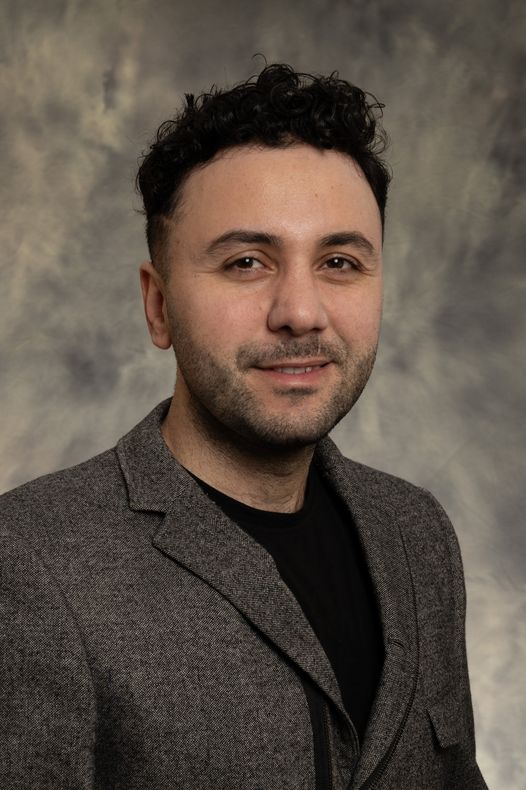
“What excites me most about this work is the interdisciplinary nature of the team, bringing together counselors, special education teachers, and behavior analysts to support climate preparedness in meaningful, accessible ways,” says Dr. Sulu. “This collaboration allows us to move beyond traditional models and create learning experiences that are responsive to the real needs of individuals with disabilities in Kentucky. We cannot say thank you enough to KY NSF EPSCoR for providing us this opportunity!”
By centering the voices and lived experiences of people with disabilities, this project directly advances CLIMBS goals around community resilience.
Using E-DNA to Track Microbes and Pollution Sources in Urban Streams
Undergraduate Experience Award – Asbury University – Biology Professor Ben Brammell
This project is led by undergraduate researcher Caroline Richmond, a junior at Asbury University and a southeast Kentucky native, who is studying water quality in urban streams across Kentucky’s Inner Bluegrass region. Caroline will use the powerful and emerging technique of environmental DNA (eDNA) metabarcoding, a method that utilizes traces of genetic material in water to identify microbial species and determine whether contamination comes from human or animal sources. This information is critical for protecting local water supplies and public health.
“Pathogen surveillance in U.S. waterways has been mandated since the 1970s,” Brammell said. “This study will contribute to a growing body of knowledge exploring the use of modern biotechnology in conducting this surveillance.”
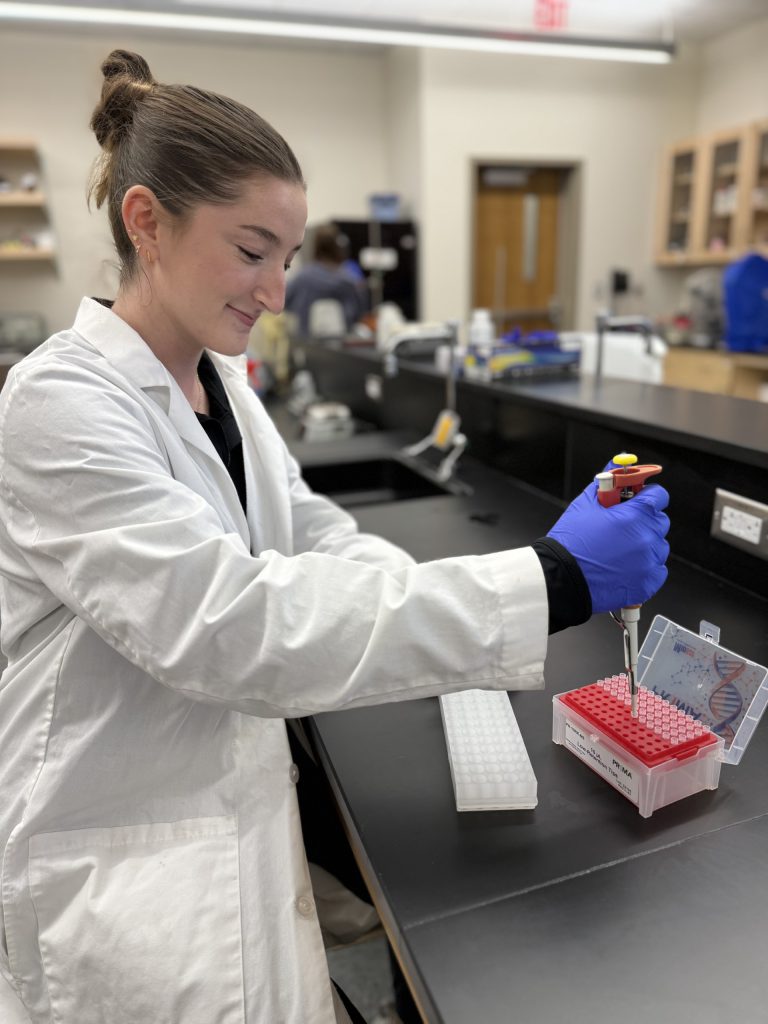
Through hands-on research, Caroline will take part in collecting stream samples, preparing DNA for sequencing, and analyzing results to better understand how water quality changes across seasons and between ecologically restored versus non-restored stream areas.
“I am ecstatic about the opportunity to use emerging technology such as eDNA, learn more about the research process, and conduct research on something that I find incredibly valuable,” said Caroline. “I am immensely grateful for the opportunity this grant affords me to learn in a hands-on fashion.”
By placing an undergraduate at the center of an environmental research project, this work supports CLIMBS Project 3: Safeguarding Kentucky’s Water Supply, while enhancing CLIMBS’ mission of training the next generation of scientists and expanding the use of innovative water-monitoring tools across the state. Professor Ben Brammell will guide Caroline, and three other undergraduate students from his lab will be indirectly involved in the research.
Official Title: eDNA metabarcoding-based microbial diversity profiling and simultaneous fecal source tracking in urban lotic systems in the inner Bluegrass
Opening STEM Pathways in Kentucky through Climate Resilience
Education, Outreach, Communication Award – Kentucky Academy of Science – Amanda Fuller
This project leverages the statewide reach of the Kentucky Academy of Science to connect K–12 students and teachers with scientists working on real-world challenges related to climate resilience, natural resources, and community well-being. By drawing on a network of more than 4,000 scientists across disciplines, the initiative aims to spark middle and high school student interest in STEM careers, particularly in earth and environmental sciences, where Kentucky faces growing workforce needs.
Beginning in Eastern Kentucky and expanding to other rural communities, the project brings scientists into classrooms through panels, virtual visits, and mentoring relationships, while also pairing teachers with researchers to strengthen climate and earth science curriculum. Middle and high school students will have opportunities to receive near-peer mentoring, explore STEM career pathways, and pursue their own research projects with guidance from undergraduate, graduate, and professional scientists.
“KAS is looking forward to connecting teachers and students to our scientific community in Kentucky. We need a strong STEM workforce across the Commonwealth to solve problems and build a more resilient future in Kentucky.” — Amanda Fuller, Executive Director Kentucky Academy of Science
By showing how STEM disciplines work together to address challenges such as flooding, water quality, and hazard impacts, this project helps students see science as relevant, collaborative, and rooted in their own communities. It supports CLIMBS goals by building stronger STEM pathways in Kentucky while strengthening connections between educators, scientists, and the next generation of problem-solvers.